Spotlight
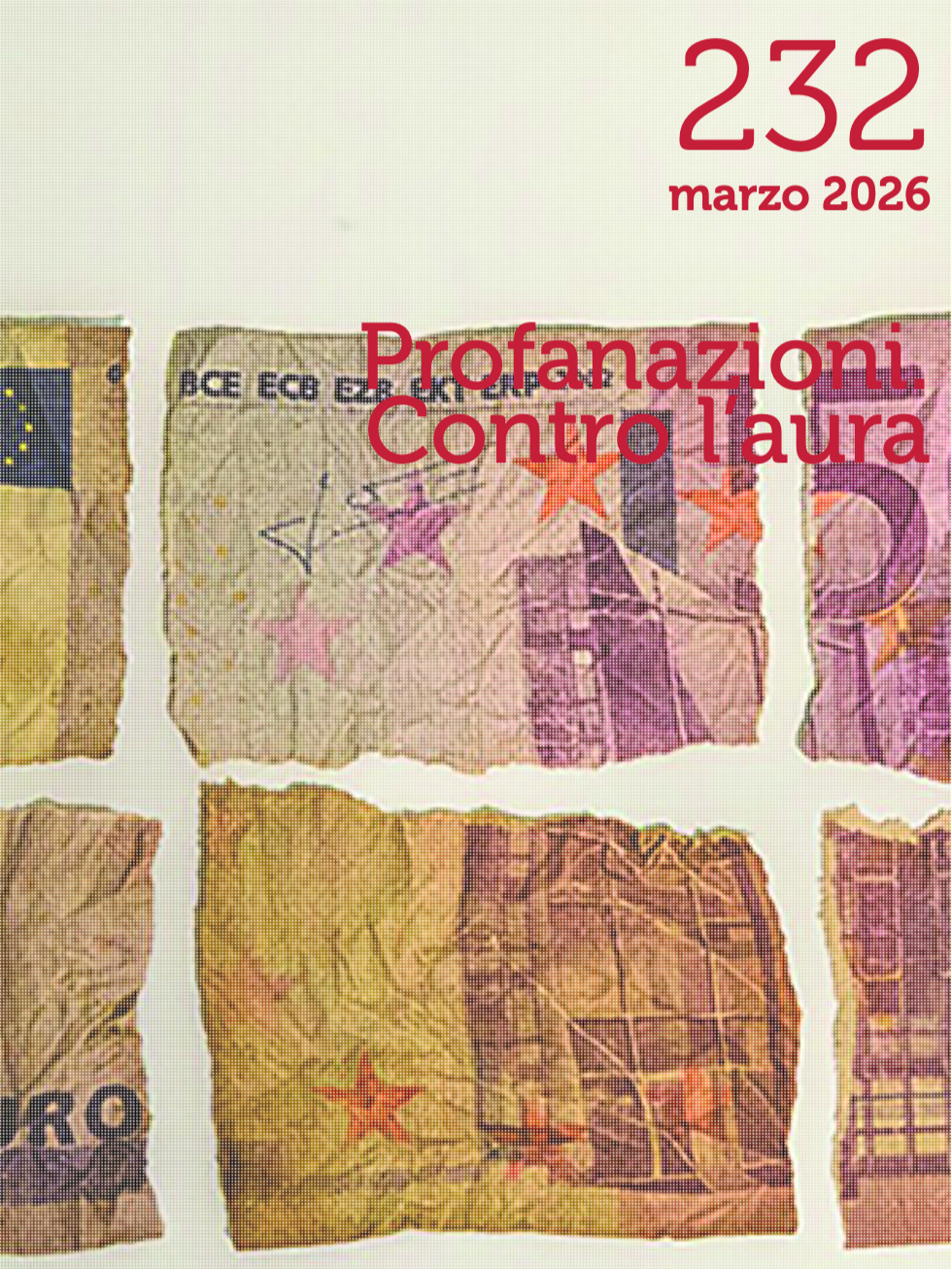
The Practice of Play. On the Profane Gesture and the Architecture of Use
Enrico Miglietta, Liselotte Vroman
This essay approaches Play as a situated practice that unsettles the separations through which architecture organises use, distance, and behaviour. Rather than opposing order, play operates from within architectural regimes of prescription, making visible how space is stabilised through margins, thresholds, and devices that regulate proximity, movement, and access. In doing so, play exposes how these regimes may be quietly loosened, rendered permeable without being overturned.
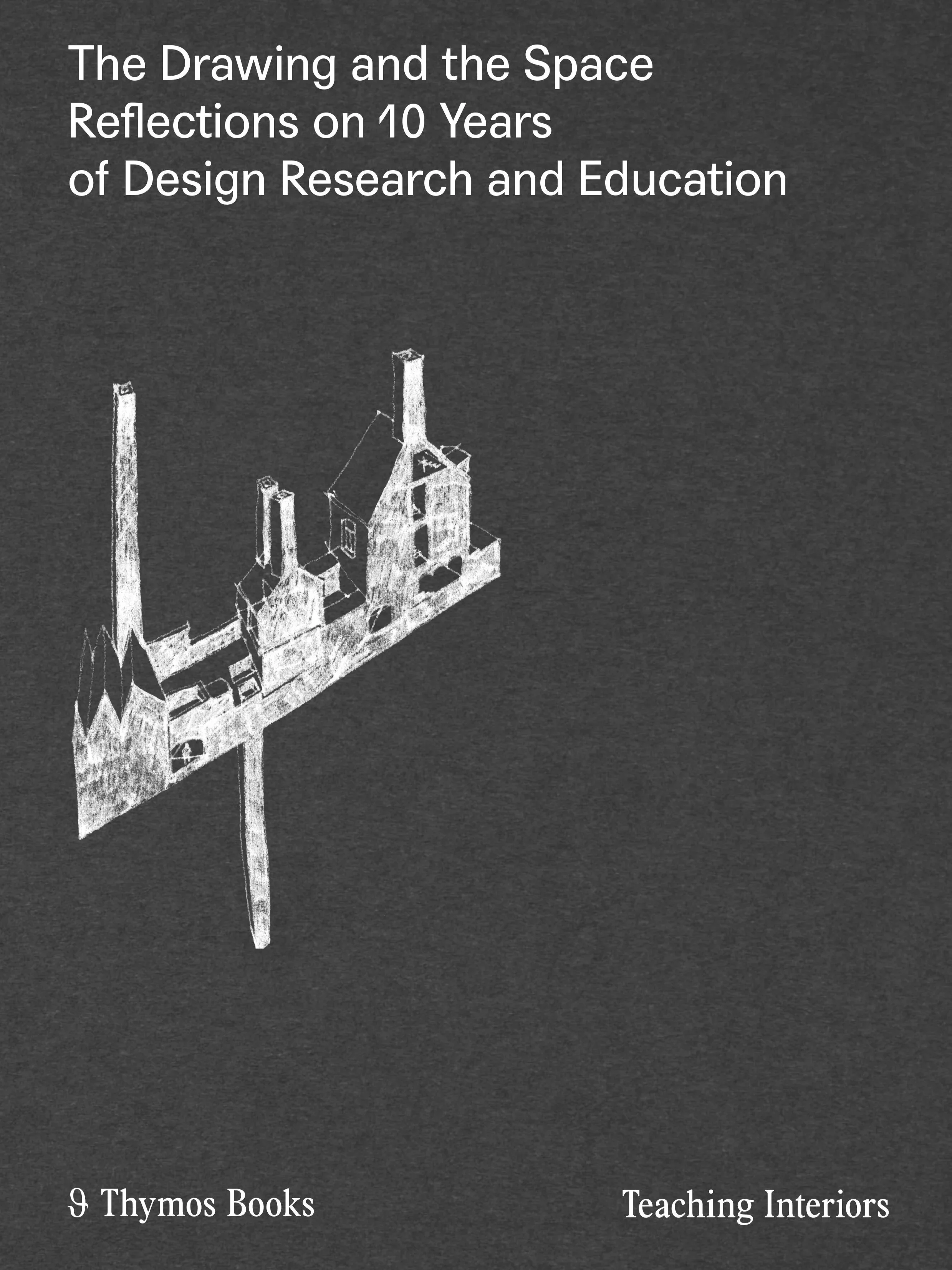
The Drawing and the Space. Reflections on 10 Years of Design Research and Education
Enrico Miglietta with Thierry Lagrange, Jo Van Den Berghe, Liselotte Vroman
The Drawing and the Space moves from a shared conviction: that drawing is not merely a tool for representation, but the locus where architecture takes shape before it becomes building. Not a medium for illustrating finished ideas, but a field of inquiry in which thought encounters matter, the body meets gesture, and imagination negotiates physical constraints.
Re-reading Form through the Agency of the Joint. The Archaeological Attitude of Design Driven Research
Enrico Miglietta
In a circular trajectory, typical of the flow of time that characterises artistic practices, this research starts from a reconnaissance on design to then proceed through it, be guided by it, find coincidence between researcher and author, thus situate his work within a tradition. First through participant observation, then by design actions, through variation and the project of the new, this exploration formulates an excavation within an open strand of the architectural discipline, providing the reader with a field of findings as the result of a philosophical archaeology, a regression made to look forward, an act of passionate criticism.
Collapse mechanisms of churches: typical recurrence rates and damage levels from the analysis of field data after the 2012 Emilia earthquake
Briselda Calliku with Alice Festa, Stefano Barbò, Anna Maria Basso Bert, Claudio Chesi
Within the context of fast procedures for the evaluation of seismic damage, an interesting tool is given by the special form in use for churches. The procedure implemented in this form is based on the set of 28 local collapse mechanisms which have been identified as meaningful to deal with the typical Italian configuration of churches; for each mechanism, a damage level from 0 to 5 has to be specified and a global damage index is therefore computed. An interesting application of the above procedure has been possible for a wide group of churches in the province of Mantua, which suffered damage from the 2012 Emilia earthquake.
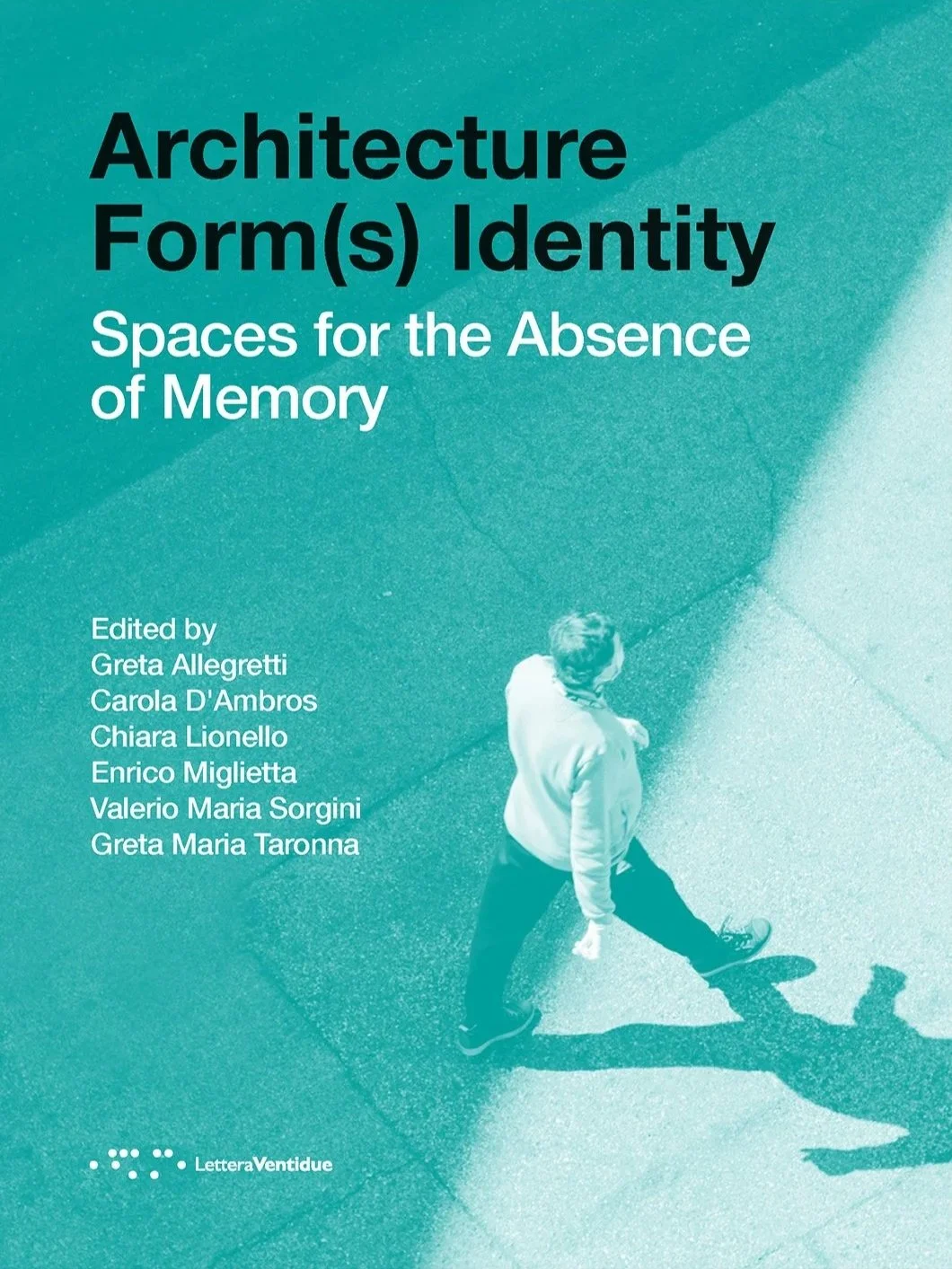
Architecture Form(s) Identity. Spaces for the Absence of Memory
Enrico Miglietta with Greta Allegretti, Carola D’Ambros, Chiara Lionello, Valerio M. Sorgini, Greta M. Taronna
The book is a collection of essays on the theme of memory, its possible loss, weakness, ability to build individual and collective identities, and on the way architecture inserts itself in this process, determining different spaces of reflection.
Sigurd Lewerentz. The Paradox of Construction
Enrico Miglietta with Gennaro Postiglione, in Lewerentz Fragments
This essay offers a reflective investigation into the work of Sigurd Lewerentz, with a focus on the compositional and epistemic agency of detail in architectural thinking. It re-examines three key projects by Lewerentz—the Chapel of the Resurrection (1921-25), the Church of St. Peter (1963-66), and the Flower Kiosk in Malmö (1968-69)—in order to frame his architecture as a discipline rooted in context, bodily knowledge, and tectonic exactitude. Rather than relying on stylistic categories, the text centres on the material and symbolic depth of Lewerentz’s details—particularly his handling of the joint—as mediators between construction and meaning.
— coming soon
— coming soon
Selected Books and Essays
-
Descrizione elemento
-
with the chapters:
E. Miglietta, What’s in a Detail? Drawing as Maieutic Exercise in Architectural Design, pp. 92-103.
E. Miglietta, L. Vroman, The Drawing and the Space: Themes, Practices, and Research Trajectories, pp 10-17.
Available in open access and print @ Thymos Books
-
Available in open access @ Mimesis
-
Available in open access @ Repository (Lirias - KU Leuven)
-
(co-)Supervisors: G. Postiglione, J. Van Den Berghe, A. de Curtis, T. Lagrange / Politecnico di Milano - AUID Programme, KU Leuven - Programme in Architecture
Available in open access @ Repository (Polimi) | Repository (KU Leuven)
-
Available in open access @ Repository (TU Berlin)
-
Available in open access @ Repository (Sciencedirect)
-
with the chapters:
E. Miglietta, Architecture as ‘Machine à Penser’: About Self-Representing in Designing Our Nests, pp. 114-131.
G. Allegretti, C. D’Ambros, C. Lionello, E. Miglietta, V.M. Sorgini, G.M. Taronna, Introduction, pp 6-15.
Available as e-book @ Letteraventidue | Amazon
-
N/A
-
Available in open access @ Repository (Iuav)
-
Available @ Actar Publishers
-
Available @ Torrossa
-
Available in open access @ Repository (Lirias - KU Leuven)
-
Available @ Letteraventidue
-
Available @ Il Poligrafo
-
Available in open access @ Assorestauro
-
Available in open access @ Assorestauro
-
Available in open access @ Assorestauro
-
with the chapters:
E. Miglietta, L’Architettura della Casa, pp. 35-39.
Available on request > info@ateliervetia.com
-
N/A
-
Available @ Edizioni Mimesis
-
Available on request > info@ateliervetia.com